Septic System Repair Services
Request an estimate today
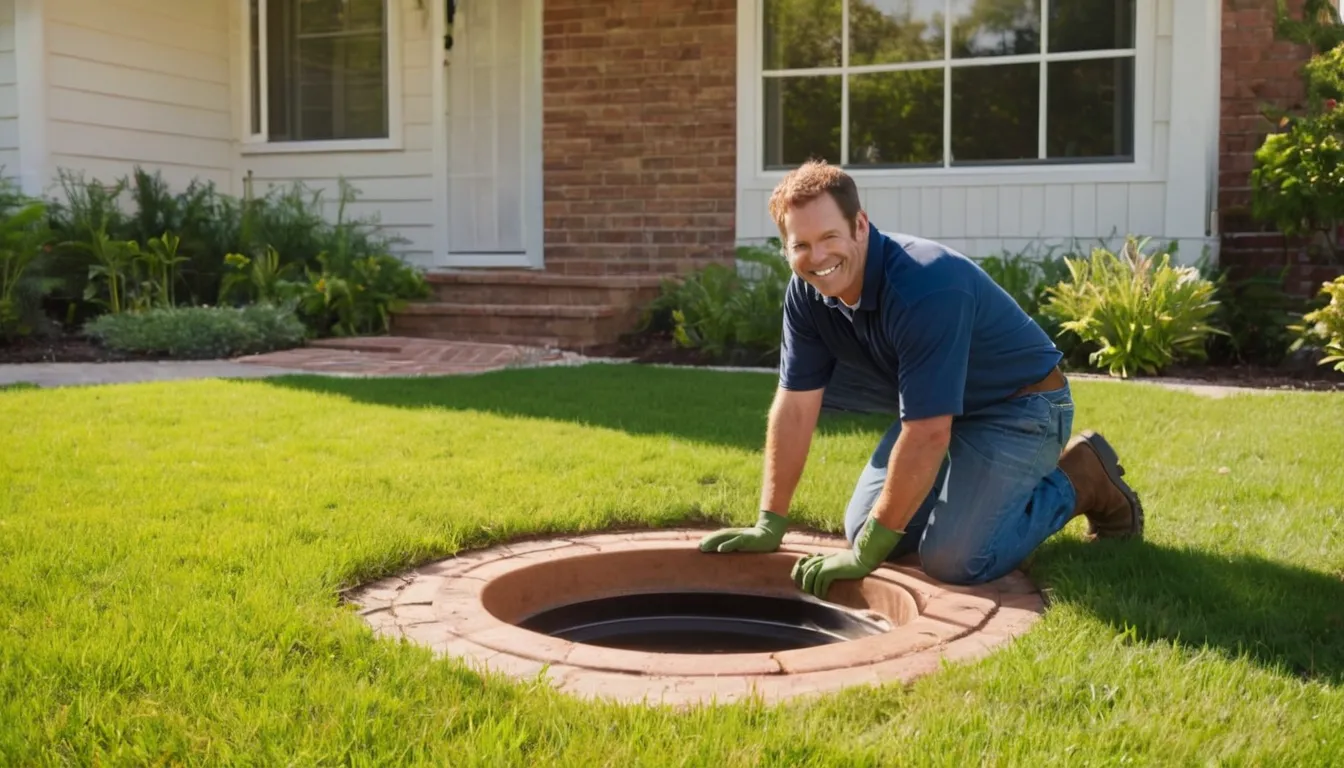
Say you notice a slow drain, a sour smell, or a soggy patch in the yard. Those small clues often mean something in your septic system is failing. Bloodybar Septic is a referral service. It connects homeowners in Dallas and the Dallas area with independent providers who inspect, repair, and explain what they find.
The providers in our network handle problems like broken baffles, cracked pipes, failed pumps, and tired drainfields. You do the least searching possible. Request an estimate, describe what you see, and a local provider takes it from there. Costs vary by job, so ask for a written quote before work begins. After the repair, a few simple habits can keep the system working for years.
Say You Notice a Sour Smell Near the Yard
Say you step outside after a rainy afternoon. There is a sour, egg-like smell by the side of the house. One patch of grass looks greener than the rest, and the ground feels soft under your shoes. That is often how a septic problem first shows up. It starts quietly, and it rarely fixes itself.
Warning Signs Worth Acting On
Look for any of these:
- Sinks and tubs that gurgle or drain slowly
- Toilets that back up when the washer runs
- Wet or spongy ground over the tank or drainfield
- A sewage smell inside the house or in the yard
- A strip of grass that is much greener than the rest
- Standing water that stays after the rain stops
One sign may be minor. Two or three together usually point to a real fault.
When It Turns Into an Emergency
Now say you come home and find dirty water in the shower drain. Or a toilet that keeps rising instead of settling. This is the moment to move. Sewage inside a home is a health risk, and it can ruin flooring fast. Emergency septic cleaning is often the first step, so the tank is emptied and the backup stops growing. Then the provider can hunt for the real cause.
Request a callback to check provider availability.
What to Do While You Wait
- Stop running the dishwasher, the washer, and long showers
- Keep kids and pets away from wet spots and backed-up drains
- Do not pour chemical cleaners or additives into the system
- Do not drive or park over the tank or the drainfield
- Write down when the trouble began and what you noticed
- Look for old tank records or a map of the system
These small steps keep the problem from spreading while you wait for help.
Common Septic System Problems
Most repair visits trace back to a handful of causes.
A Tank Left Too Long
Solids pile up over time. Some slip into the field and clog it. Septic tank pumping on a regular schedule prevents this, and a provider often starts there before any repair.
Broken Baffles and Cracked Lids
Baffles guide the flow inside the tank. When one breaks, solids escape where they should not. A cracked lid can let in rain and creates a safety risk for kids and pets.
Damaged Pipes
Roots push into joints. Soil settles and bends a line. Wastewater then pools instead of moving on to the field.
Pumps, Floats, and Alarms
Some homes use a pump to move wastewater uphill or to a far field. If a float sticks or the pump burns out, the alarm sounds and the system backs up.
How a Repair Usually Goes
The steps are simple. You describe what you see. The provider checks the tank, the lids, and the field. Then they explain what failed, what it takes to fix, and what it may cost. You decide. When the work is done, they should tell you what changed and what to watch for.
Some jobs, like a new baffle or float, take a few hours. Others need permits and several days. Ask what to expect for your job.
Drainfield Repair and Replacement
Picture a flat ranch-home yard where the ground stays damp for weeks. The field pipes are clogged, or the soil can no longer soak up water. Drainfield repair might mean resting one section, clearing lines, fixing broken pipe, or adding new trench. When the soil itself is worn out, a replacement field may be needed. Permits and a soil test are common for this work, so ask about them early.
Repair or Replace?
Think of an old car. A small fix on a young system makes sense. Many fixes on a very old one add up fast. Ask the provider to compare the cost of repair with the cost of a new part or a full system. Age, tank material, soil, lot size, and local rules all matter. A written quote for each option helps you decide calmly.
Storm Season and Hot Summers
Heavy downpours can fill the soil with water. A field that is already weak may fail right then. Hot, humid weather also speeds up root growth and slime in the lines. Mild winters mean fewer hard-frost problems, but shallow pipes can still crack when soil shifts. Fixing weak spots before storm season keeps small trouble from growing.
If Your Home Uses a Well
Say your home has a private well. A failing septic system can send waste toward the water. If the field sits close to the well, ask about a water test. A water well service provider can check the well itself. Use bottled water for drinking and cooking until you know the results.
Fix It, Keep It: Habits After the Repair
- Schedule septic tank pumping every three to five years, or as your provider advises
- Spread laundry across the week instead of one big day
- Flush only toilet paper and human waste
- Keep grease, wipes, and coffee grounds out of the drains
- Plant grass, not trees, over the field
- Fix leaky toilets and dripping faucets
- Keep a simple record of every service visit
Questions to Ask the Provider
- What failed, and why did it fail?
- Is a repair enough, or should I plan to replace?
- Which permits are needed?
- What does the written quote include?
- How long will the work take?
- What should I change at home afterward?
Start While It Is Small
A soggy spot or a slow drain is easy to ignore. It is also the easiest moment to act, because the damage has not spread and the fix is usually smaller. Request an estimate, describe what you see, and let an independent local provider take a look.
What's Included
System Inspection
A provider checks the tank, lids, pipes, and field to find where the system is actually failing.
Baffle and Pipe Repair
Broken baffles, cracked lids, and damaged pipes can be fixed or replaced.
Drainfield Repair Options
Clearing, resting, or rebuilding sections of a clogged or soggy drainfield.
Pump and Float Fixes
Providers can service pumps, floats, and alarms that keep wastewater moving.
What Septic Repair Can Cost
These are typical U.S. ranges. Your price depends on the fault, the soil, the access to your yard, and local permits. Always get a written quote before work starts.
| Repair item | Typical range | Notes |
|---|---|---|
| Tank inspection | $100 – $500 | Often includes lid access and a basic check |
| Baffle or lid repair | $250 – $1,200 | Depends on tank material and access |
| Pump or float replacement | $400 – $2,000 | Varies by pump type and depth |
| Damaged pipe repair | $500 – $3,000 | Digging and pipe length drive the price |
| Drainfield repair | $2,000 – $10,000 | Section repair costs less than full replacement |
| Full drainfield replacement | $5,000 – $20,000+ | Soil tests and permits often add to the total |
How It Works
Describe the Problem
Tell us what you notice, like slow drains, smells, or wet ground in the yard.
Request an Estimate
Use the form, or request a callback to check provider availability.
Provider Inspects the System
An independent provider checks the tank, pipes, and field and explains the cause.
Repair, Then Maintain It
Approve the work, then follow the provider's tips to keep it fixed.
Why Call Bloodybar Septic
Less Time Searching
Describe the problem once and get pointed toward an independent provider in the network.
Start Early
Reaching a provider while the problem is small can keep the repair simpler.
Clear Estimates
Request an estimate with no obligation and compare your options calmly.
Local Providers
Providers know local soil, weather, and permit rules.
Other Services
Need septic system repair services in Dallas?
Send a quick estimate request and a local provider in our network can follow up. Prefer to talk? Request a callback to check provider availability.
No obligationSeptic System Repair Services FAQ
How do I know if my septic system needs repair?
Watch for slow drains, gurgling pipes, sewage smells, backups, and soggy or very green ground over the tank or drainfield. Two or more signs together mean it is time to have a provider inspect it.
Can a failing drainfield be repaired?
Sometimes. A provider may rest a section, clear clogged lines, or fix broken pipe. If the soil can no longer absorb water, a replacement field may be needed. Ask for a written quote.
Does homeowners insurance pay for septic repair?
Some policies may cover sudden damage, but wear and tear is often excluded. Check your policy, and ask the provider to help document the damage for a claim.
Reach a local provider
Send a quick estimate request and a local provider in our network can follow up. Prefer to talk? Request a callback to check provider availability.
No obligation