Septic Tank Pumping for Dallas Homeowners
Request your pumping estimate
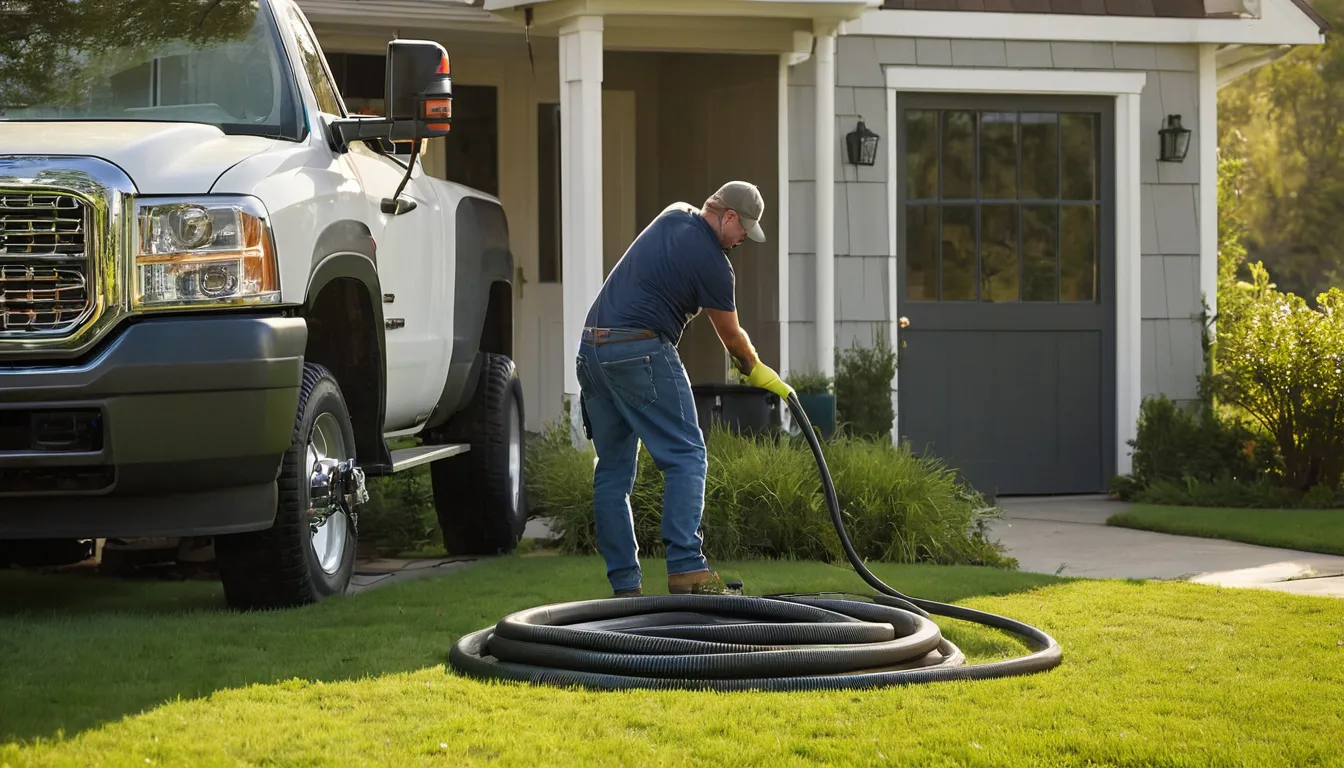
Say you notice a gurgle in the shower drain, then a sour smell near the yard. Those are common signs of a tank that is filling up. Septic tank pumping removes the buildup inside so wastewater can keep flowing out the way it should.
Bloodybar Septic is a referral service. We do not pump tanks. We connect homeowners in the Dallas area with independent local providers who do. You can request an estimate first, or Request a callback if you would rather talk it through. Starting while the problem is small usually means a simpler visit, a smaller bill, and less stress on your drainfield. A quick written quote from a local provider also helps you plan your next step with confidence.
Say You Notice Gurgling Drains and a Sour Smell
Picture this. You run the washing machine, and the tub across the hall starts to gurgle. Later, you catch a sour smell by the side of the house. Nothing has overflowed yet. But your tank is trying to tell you something.
This is the ideal moment to act. A tank that is full but not yet backing up is far easier to deal with than one that is already pushing waste into the house.
Signs the Tank May Be Full
Not every sign is dramatic. Look for these:
- Drains that run slow in more than one room
- Gurgling sounds from pipes or toilets
- A sewage smell indoors or near the tank lid
- Lush, bright green grass over one part of the yard
- Standing water or a soggy patch that stays after dry days
- Toilets that flush weakly or back up
One sign alone may be small. Two or three together point to a tank that needs attention soon.
Emergency Septic Cleaning: When Waiting Costs More
Now say wastewater is coming up in a floor drain or the bottom-floor tub. That is a different situation. Stop using water, including laundry, dishes, and showers. Keep kids and pets away from the wet area.
Emergency septic cleaning means a provider comes out to pump the tank on a rush basis. Many providers can respond quickly, though availability varies. Request a callback to check provider availability, or send an estimate request and note that it is urgent.
Why Regular Pumping Matters
A septic tank works like a settling bin. Heavy solids sink. Grease floats. The clearer water in the middle flows out to the drainfield. When the solids pile up, they begin to slip out with that water and clog the soil.
Once the soil clogs, you may face drainfield repair, which costs far more than a routine pumping. Think of pumping as the small bill that helps you avoid the big one.
How Often Should You Pump?
A common rule is every three to five years. But your home is not a rule. A few things change the timing:
- Household size. More people means more waste and water.
- Tank size. A small tank fills faster than a large one.
- Garbage disposal use. Food scraps add solids quickly.
- Water habits. Many loads of laundry in one day push waste out too fast.
If you bought the home recently and do not know the last pumping date, treat it as overdue and ask a provider to take a look.
Storm Season and Soggy Ground
Say a week of tropical downpours leaves your yard like a sponge. Soil that is already wet cannot take much more water from your drainfield. A tank that is nearly full can tip into trouble fast.
Many homeowners in hot, humid areas choose to pump before storm season starts. It gives the system more room when the ground is saturated. After heavy rain, watch for slow drains and soft spots.
What Happens During a Pumping Visit
The visit is usually short. Here is the general flow:
- The provider finds and uncovers the tank lids.
- A hose goes in, and a truck pulls out the liquid and the sludge.
- The tank walls and baffles are checked for cracks or damage.
- Any outlet filter may be cleaned.
- The lids go back on, and the provider shares what they saw.
Ask the provider to point out anything that looks worn. That note can save you a surprise later.
Pumping and Inspections
Pumping is a good time for a look inside. An empty tank shows cracks, root intrusion, and worn parts that a full tank hides. Some providers offer a basic inspection with the pumping, and some charge for it separately.
A written note about the tank condition also helps you keep a clear record. Keep it with your home papers.
Buying or Selling a Home With a Septic System
Say you are about to list your house, and a buyer asks for a septic report. Having a recent pumping and inspection on paper makes that talk easier. If you are the buyer, ask for the same record before closing, since some lenders and areas require it.
A pumping before the inspection date also lets the inspector see the tank clearly.
If Your Home Also Has a Private Well
Some properties use both a septic system and a well. A failing tank can put wastewater closer to the water supply, so it is worth keeping both in good shape. If you want water well service as well, a provider can often tell you what they handle and what needs a separate specialist.
Keeping the Tank Healthy Between Pumpings
Fix it, keep it. A few habits go a long way:
- Spread laundry across the week instead of one big day.
- Flush only toilet paper and waste. Wipes do not break down.
- Keep grease and coffee grounds out of the drain.
- Keep cars and heavy equipment off the tank and drainfield.
- Fix dripping faucets and running toilets.
- Plant grass, not trees, over the drainfield.
Questions to Ask the Provider
Before you agree to a visit, a few plain questions help:
- What size is my tank, and how many gallons will be removed?
- Is the price per visit or per gallon?
- Will you check the baffles and filter?
- Can you note the findings in writing?
- What would you suggest as my next pumping date?
Get the quote in writing. A clear quote avoids confusion on the day of the work.
Start While Small
A slow drain is a hint. A smell is a nudge. A backup is a shout. The earlier you answer, the less it tends to cost and the less mess you deal with. Request an estimate, and a local provider in the network can take it from there.
What's Included
Tank Pumping
A provider removes liquid, scum, and sludge from the tank so wastewater can flow out properly again.
Baffle Check
Providers often look at the inlet and outlet baffles for cracks, wear, or blockage.
Filter Cleaning Option
If your tank has an outlet filter, a provider may rinse it so solids stay out of the drainfield.
Condition Notes
Many providers share what they saw inside the tank and suggest when the next pumping might be due.
What Septic Pumping Typically Costs
Prices vary by tank size, access, and region. These are typical U.S. ranges, not quotes. Always ask the provider for a written quote that lists exactly what is included before work begins.
| Item | Typical range | Notes |
|---|---|---|
| Standard pumping (1,000–1,500 gal) | $300 – $600 | Common for most family homes |
| Large tank (2,000+ gal) | $500 – $1,000 | More gallons means more time |
| Basic tank inspection | $100 – $400 | Often done during pumping |
| Outlet filter cleaning | $50 – $250 | Only if a filter is installed |
| Locating a buried tank | $100 – $300 | Needed when lids are hidden |
| Riser and lid install | $400 – $1,000 | Makes later access easier |
How It Works
Spot the Signs
Notice slow drains, gurgling, smells, or soggy ground. Cut back on water use until the tank is looked at.
Request an Estimate
Send the form, or Request a callback to check provider availability if the situation feels urgent.
Provider Pumps Tank
An independent provider uncovers the lids, pumps the tank, and checks the baffles and filter.
Keep It Maintained
Ask for notes on the tank condition, then set a reminder for the next pumping.
Why Call Bloodybar Septic
One Request
Skip the long search. Send one request and get pointed toward an independent local provider in our network.
Start Early
Reaching a provider while signs are still small often means a simpler visit and a smaller bill.
Local Providers
Providers in our network work in your area and know how local soil and storms affect tanks.
Plain Guidance
You get simple tips on warning signs and upkeep so the tank stays in good shape.
Other Services
Need septic tank pumping in Dallas?
Send a quick estimate request and a local provider in our network can follow up. Prefer to talk? Request a callback to check provider availability.
No obligationSeptic Tank Pumping FAQ
How do I know if my septic tank needs pumping?
Slow drains, gurgling pipes, sewage smells, and soggy or very green patches over the tank area are common signs. If you cannot recall the last pumping date, a provider can check.
How often should a septic tank be pumped?
Many tanks need pumping every three to five years. Household size, tank size, and water use change that. A local provider can suggest a schedule after checking sludge levels in your tank.
Can I keep using water if my tank is full?
It is wise to cut back right away. Extra water can push solids toward the drainfield or cause a backup indoors. Request an estimate soon.
Reach a local provider
Send a quick estimate request and a local provider in our network can follow up. Prefer to talk? Request a callback to check provider availability.
No obligation